SIGNAL
The Beat Made the Front Page of TIME
Four tranches, more than 450 reports, and now a magazine cover. The subject has stopped being a fringe assignment — which is its own kind of test.
UFONN
SIGNAL
The Pentagon's fifth tranche runs to 41 files from five agencies. The account everyone is reading is a pilot describing an equilateral triangle blotting out the stars over Afghanistan in 2002.
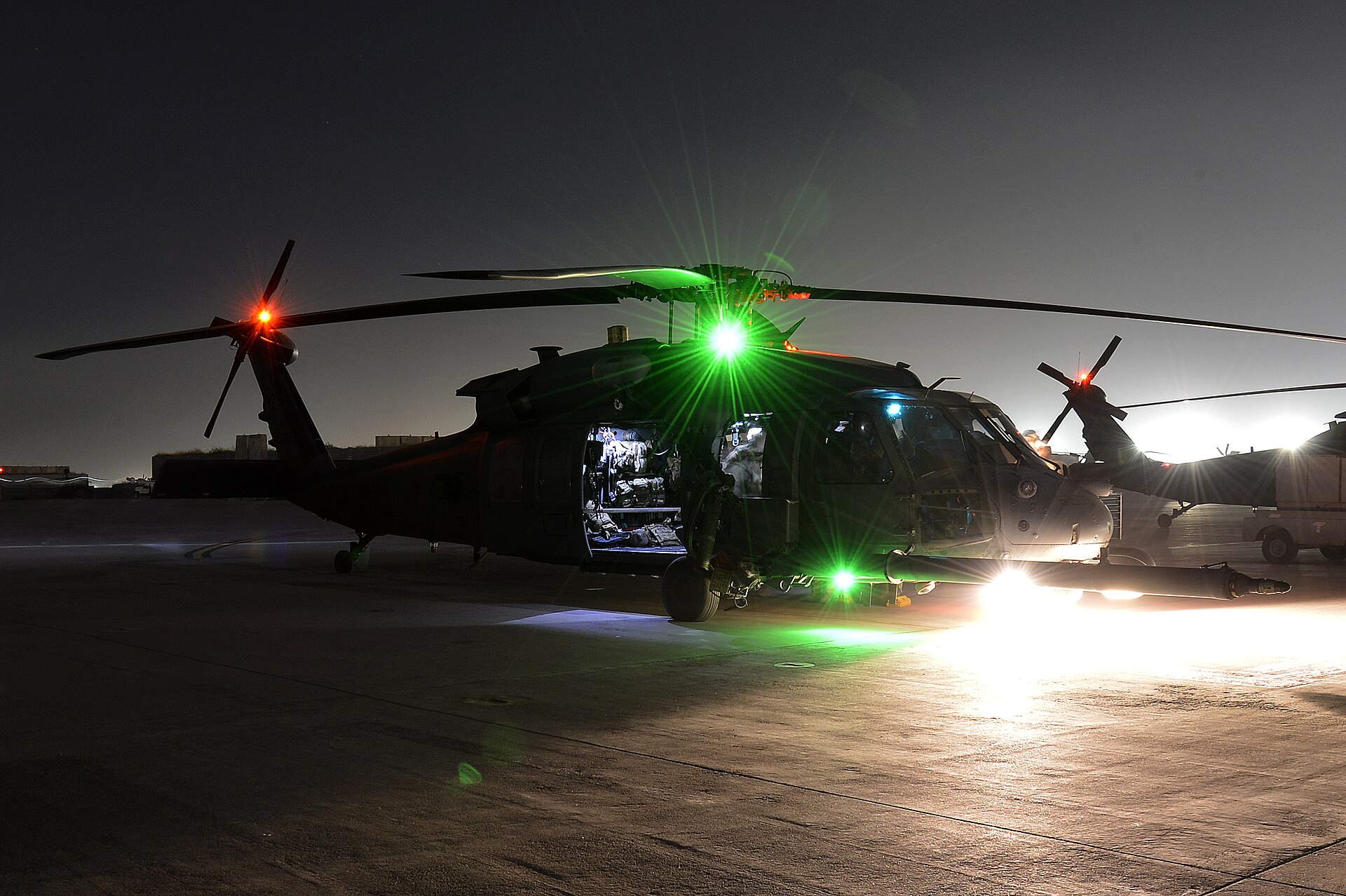
Four tranches, more than 450 reports, and now a magazine cover. The subject has stopped being a fringe assignment — which is its own kind of test.
Buried under the triangle story: U.S. government special agents are now filing their own UAP reports — one with thermal video of two slow-moving shapes reading black-hot against the sky.
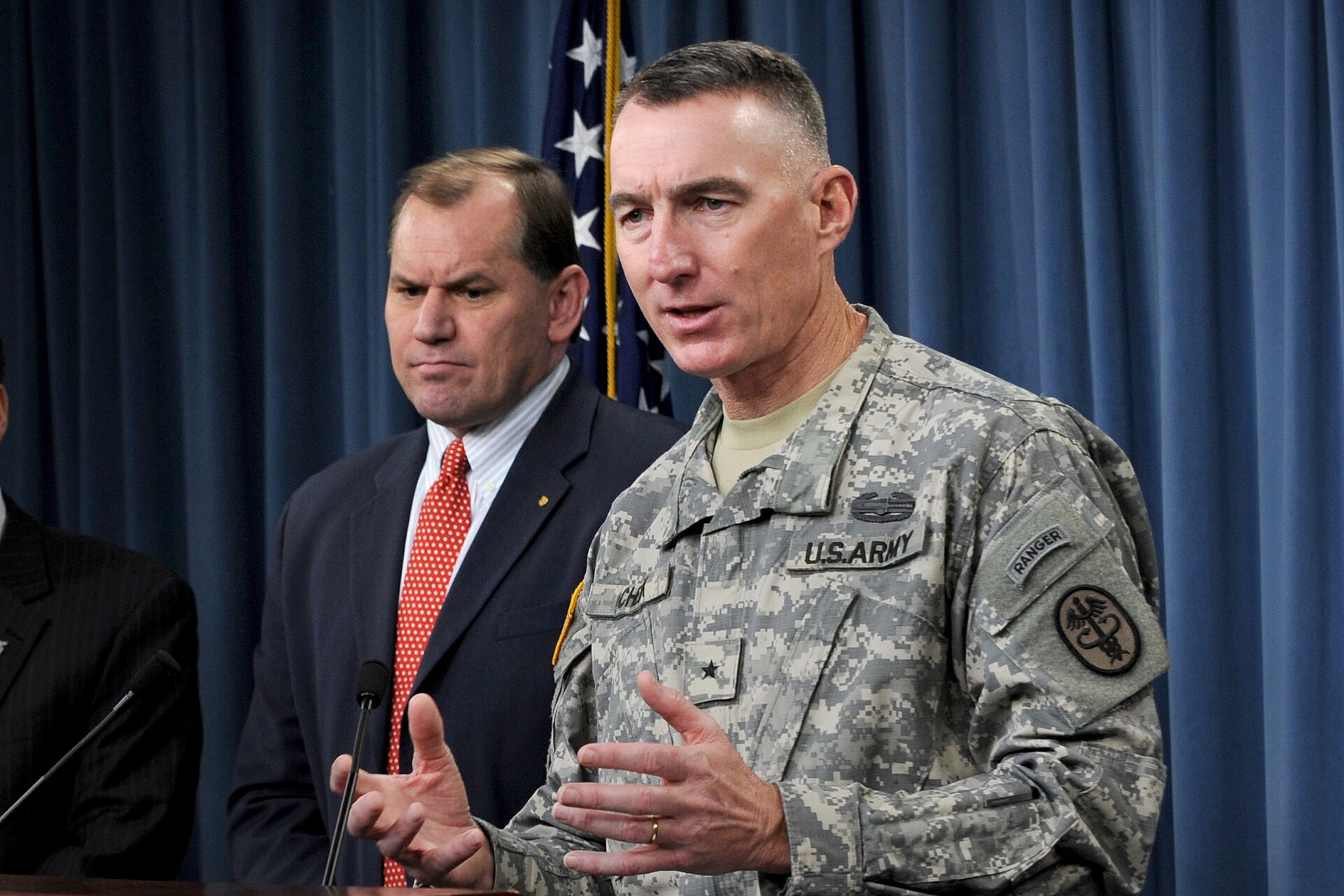
AARO's annual report landed months late and resolved every case it could into balloons and birds. The more revealing number is how many it could not touch at all.
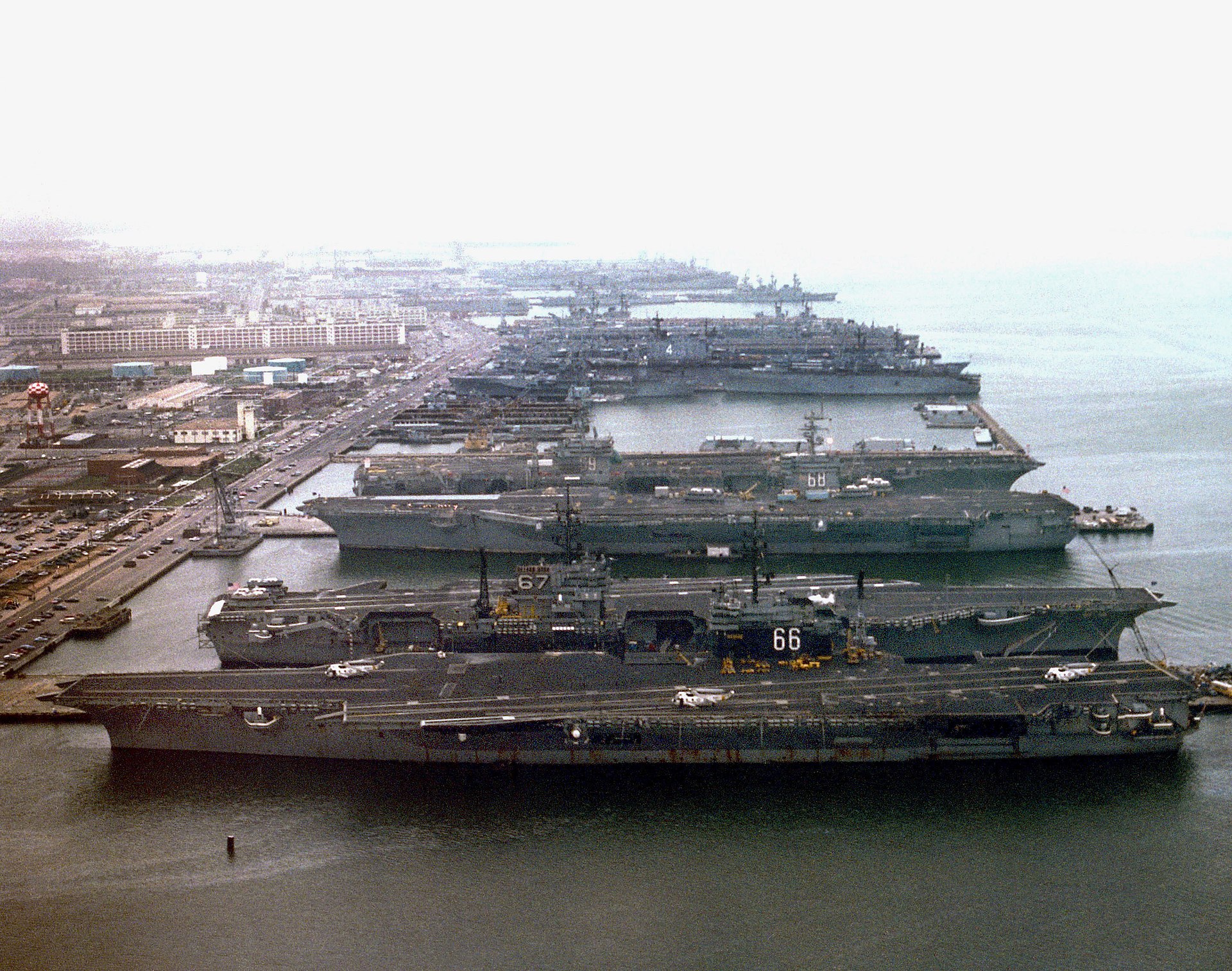
Disclosed in a footnote to the annual report: the Navy logged roughly one hundred airborne objects and watercraft operating off the Virginia coast, and the Pentagon still cannot say what they were.
The third batch of Pentagon files leaned on eyewitnesses rather than fighter jets — federal agents describing glowing spheres over the northeast, and a whistleblower alleging the money never touched Congress.
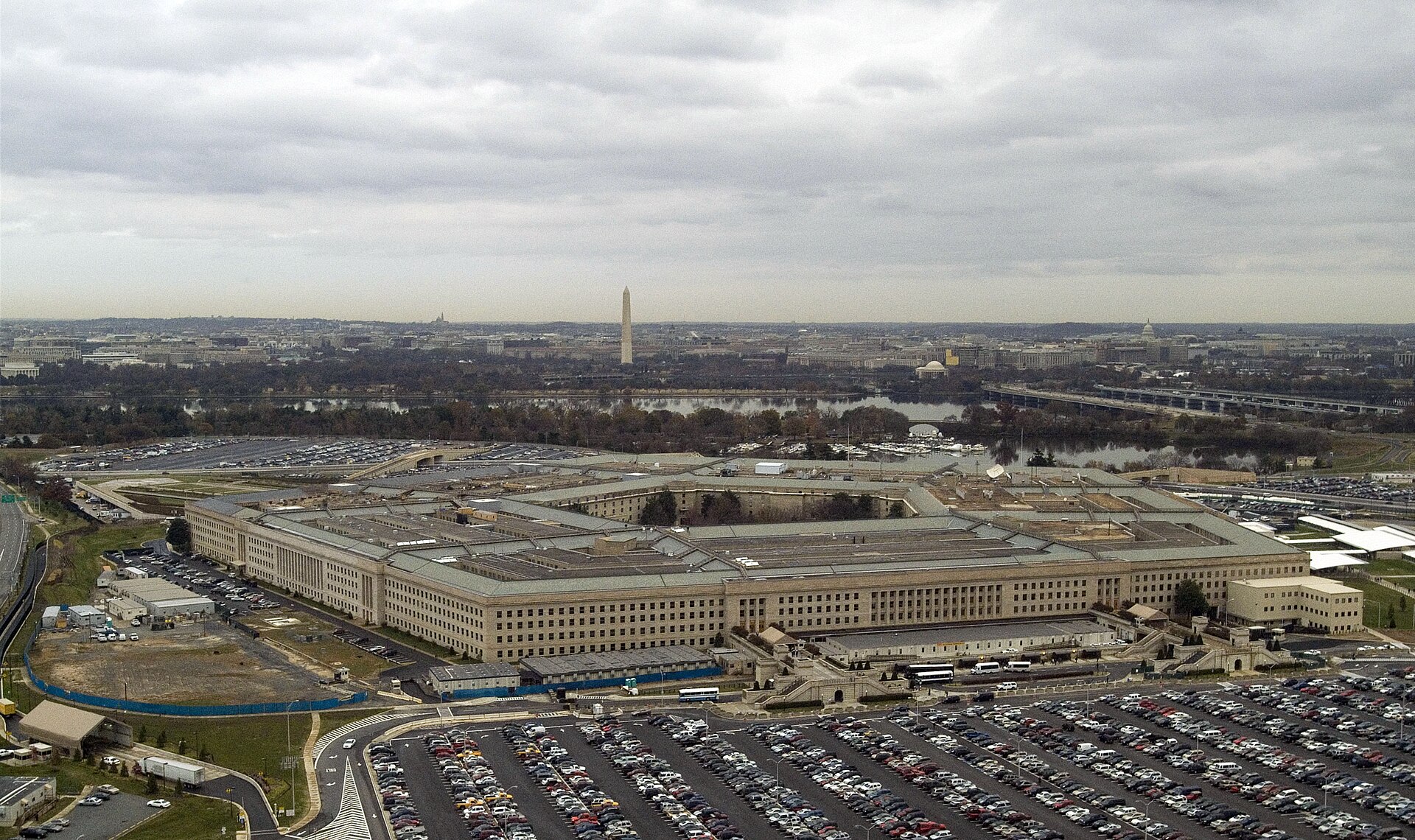
After eighty years of refusal, the Department of War began publishing its UAP holdings to a public website — and the first thing the files proved is how little anyone agrees on what they show.
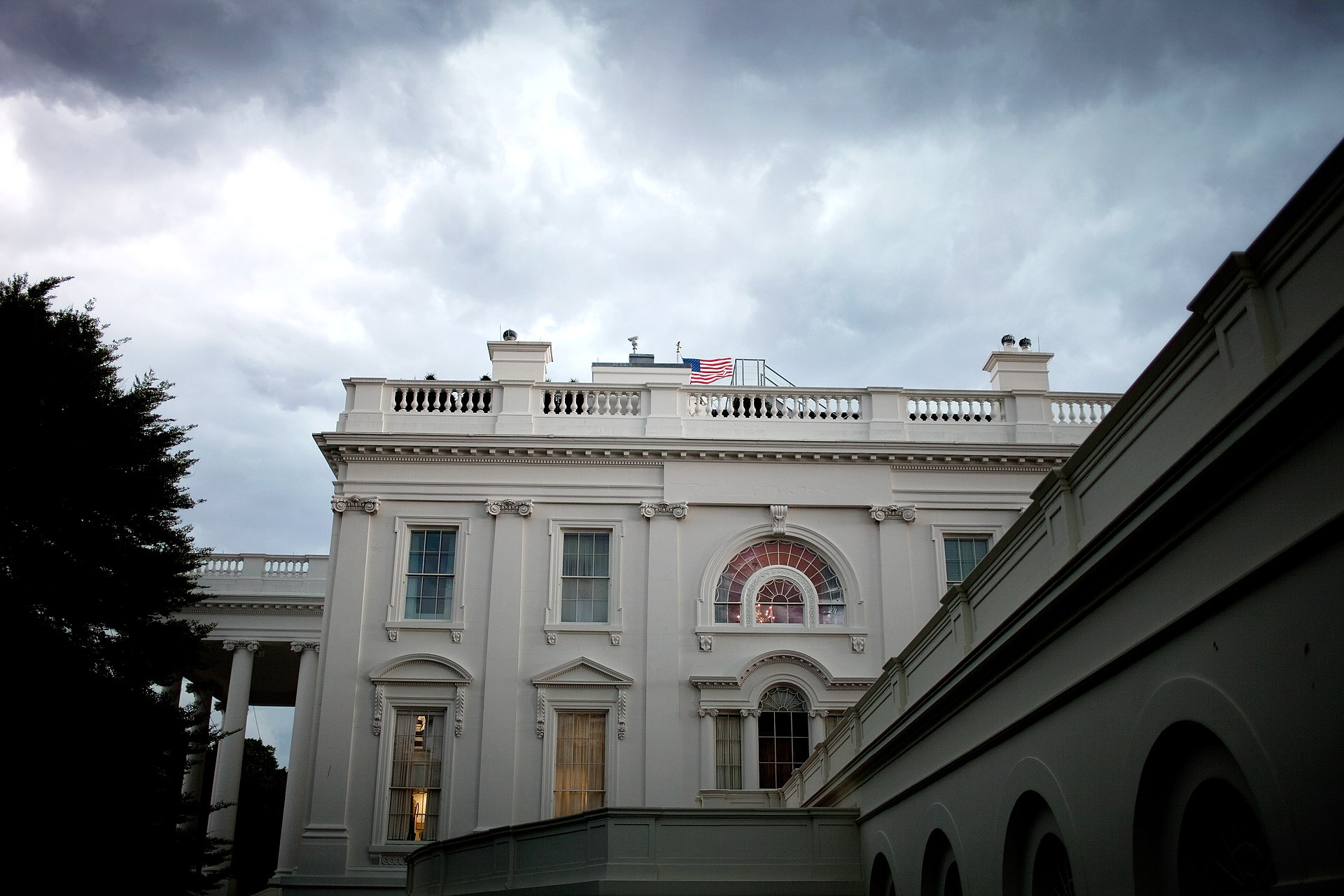
Trump ordered federal agencies to identify and release everything they hold on UAP. The order was the easy part; three months later, almost nothing had moved.
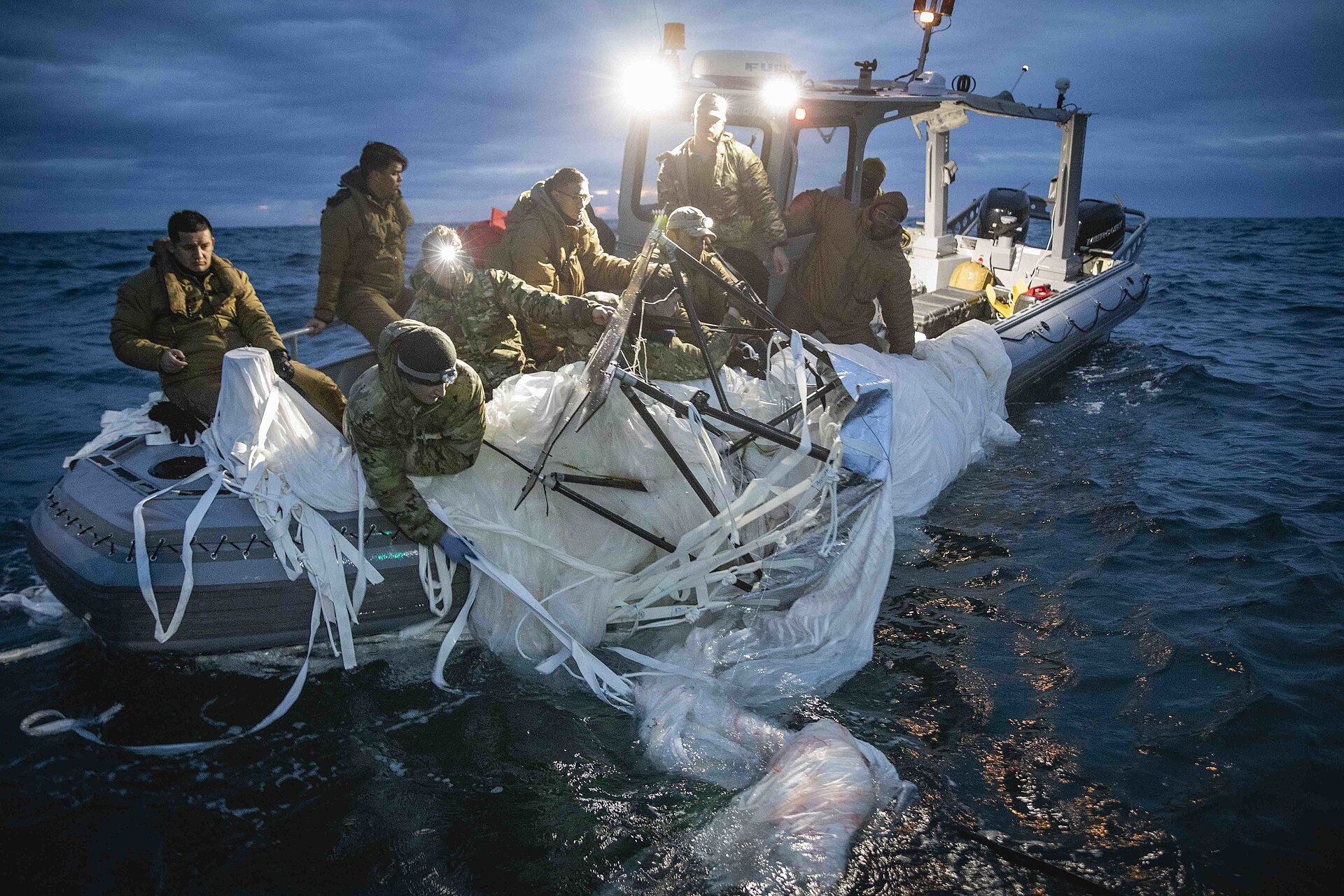
A Chinese surveillance balloon came down off South Carolina. Then, over eight days, U.S. and Canadian fighters destroyed three more objects nobody has ever identified.
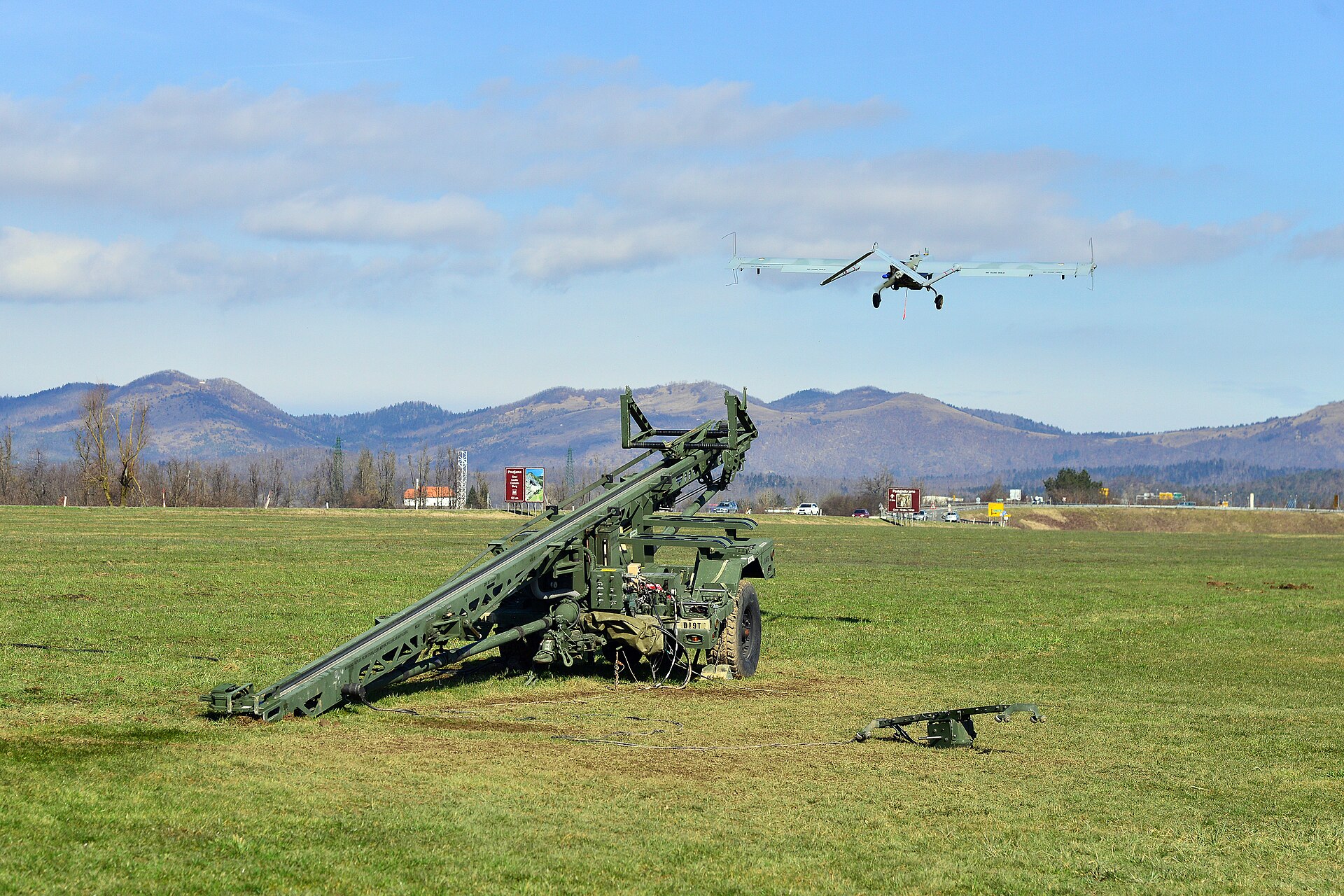
Copenhagen, Oslo, Munich, Brussels. Eighteen drones in three weeks, one NATO member invoking Article 4 — and a continent deciding very quickly that "unidentified" was a diplomatic word, not a technical one.
Thousands of people reported nightly drones over the most heavily monitored corridor in America. The federal government said most were lawful aircraft. Almost nobody on the ground believed it.
In August 2020 the Navy was told to catalogue UAP that might threaten national security. Four months later, buried in a pandemic spending package, Congress gave the intelligence community 180 days to explain itself.
Two Navy pilots described what they had seen. A former intelligence officer described what he had been told. The difference between those two things has defined everything since.
FLIR, GIMBAL, GOFAST. The footage had leaked years earlier. In April 2020 the Department of Defense formally released it — mostly to stop people arguing about whether it was real.
The intelligence community's first public UAP assessment explained exactly one of 144 incidents. It was a deflating balloon. The other 143 became the foundation of everything that followed.
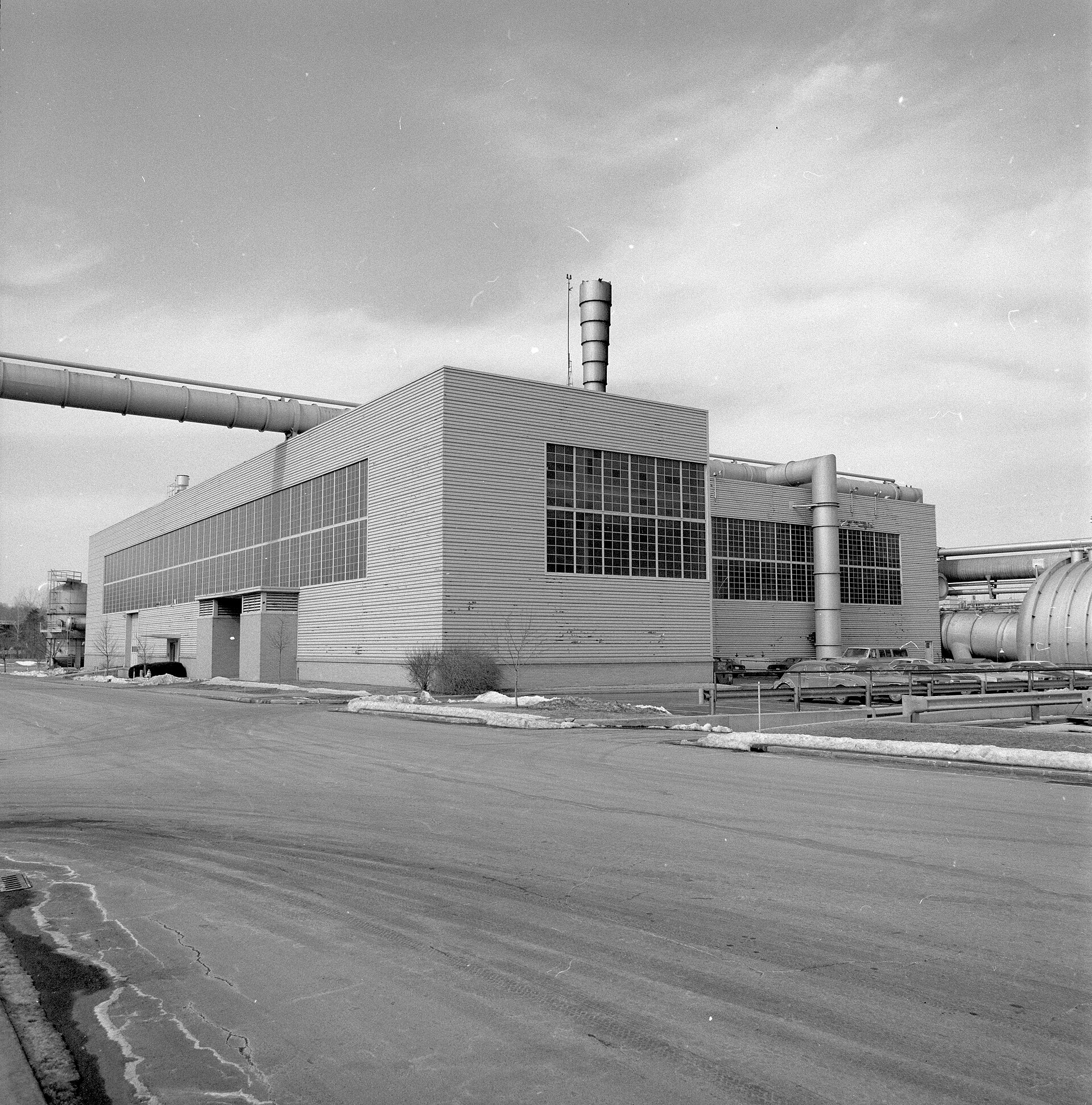
Sixteen scientists spent nine months on UAP and reported that the data is the obstacle. Then the agency declined to name its new research director, because of the threats.
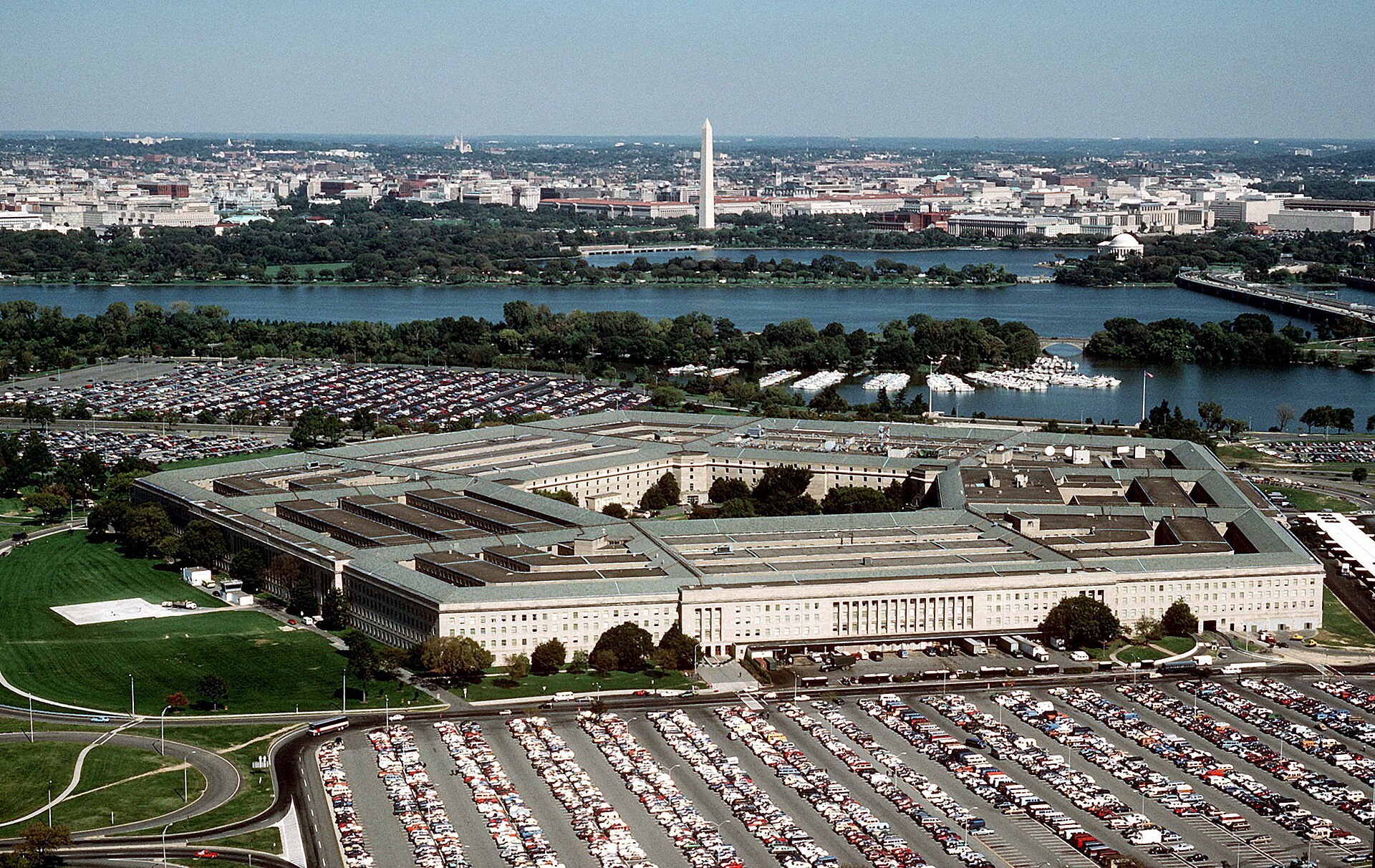
The Pentagon's annual UAP accounting resolved everything it touched into balloons, birds and drones — and quietly conceded that a fifth of the caseload never gets touched at all.
The Pentagon's fifth tranche runs to 41 files from five agencies. The account everyone is reading is a pilot describing an equilateral triangle blotting out the stars over Afghanistan in 2002.
AARO's annual report landed months late and resolved every case it could into balloons and birds. The more revealing number is how many it could not touch at all.
The third batch of Pentagon files leaned on eyewitnesses rather than fighter jets — federal agents describing glowing spheres over the northeast, and a whistleblower alleging the money never touched Congress.
After eighty years of refusal, the Department of War began publishing its UAP holdings to a public website — and the first thing the files proved is how little anyone agrees on what they show.
Trump ordered federal agencies to identify and release everything they hold on UAP. The order was the easy part; three months later, almost nothing had moved.
Disclosed in a footnote to the annual report: the Navy logged roughly one hundred airborne objects and watercraft operating off the Virginia coast, and the Pentagon still cannot say what they were.
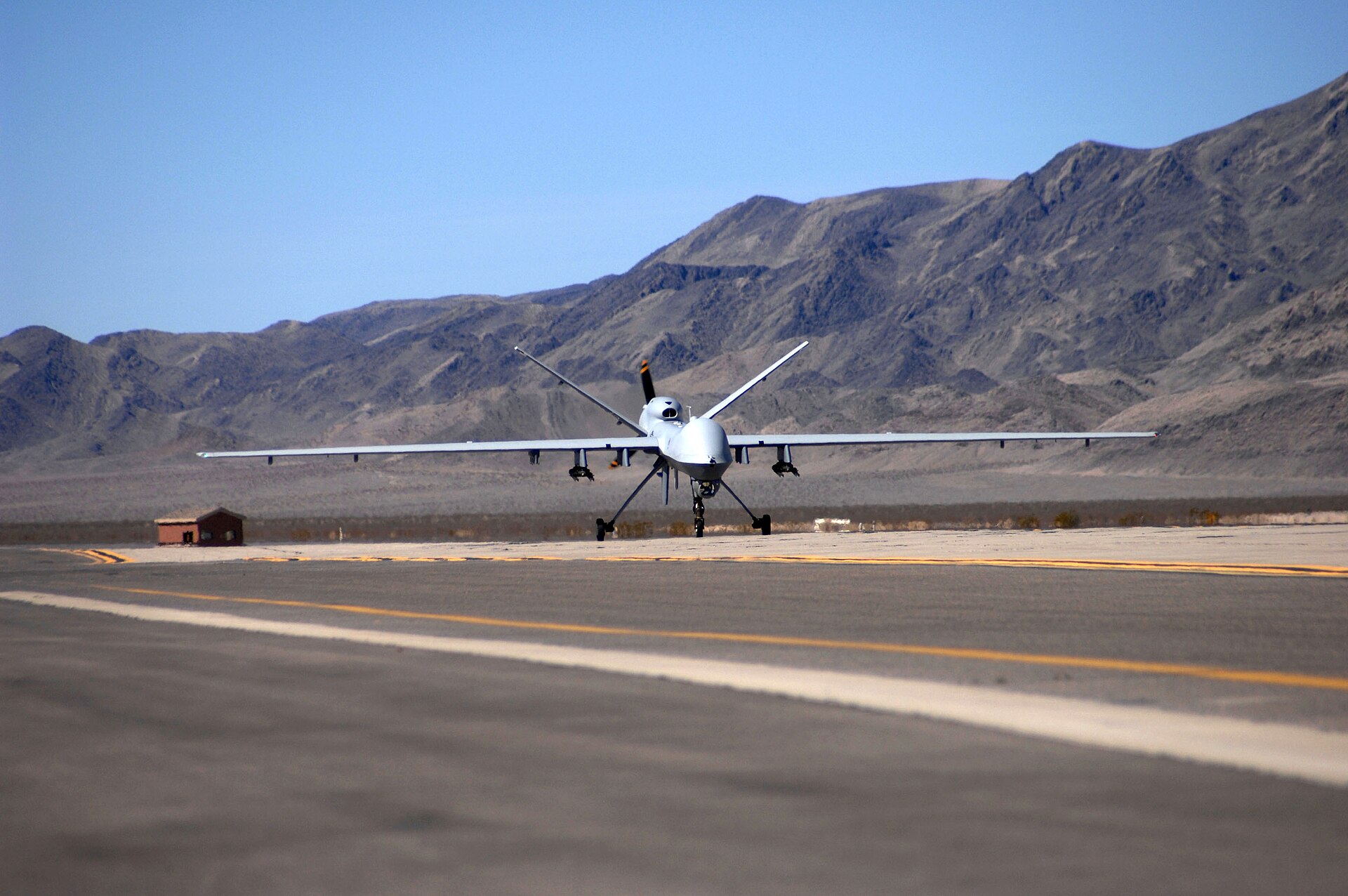
AARO's first director told the Senate he had found no credible evidence of extraterrestrial activity — then declassified drone footage of a silver sphere moving over the Middle East.
A Chinese surveillance balloon came down off South Carolina. Then, over eight days, U.S. and Canadian fighters destroyed three more objects nobody has ever identified.

In July 2022 the Pentagon created a permanent body to chase unidentified objects in the air, in space, underwater and across the boundaries between them. The word "aerial" was dropped on purpose.
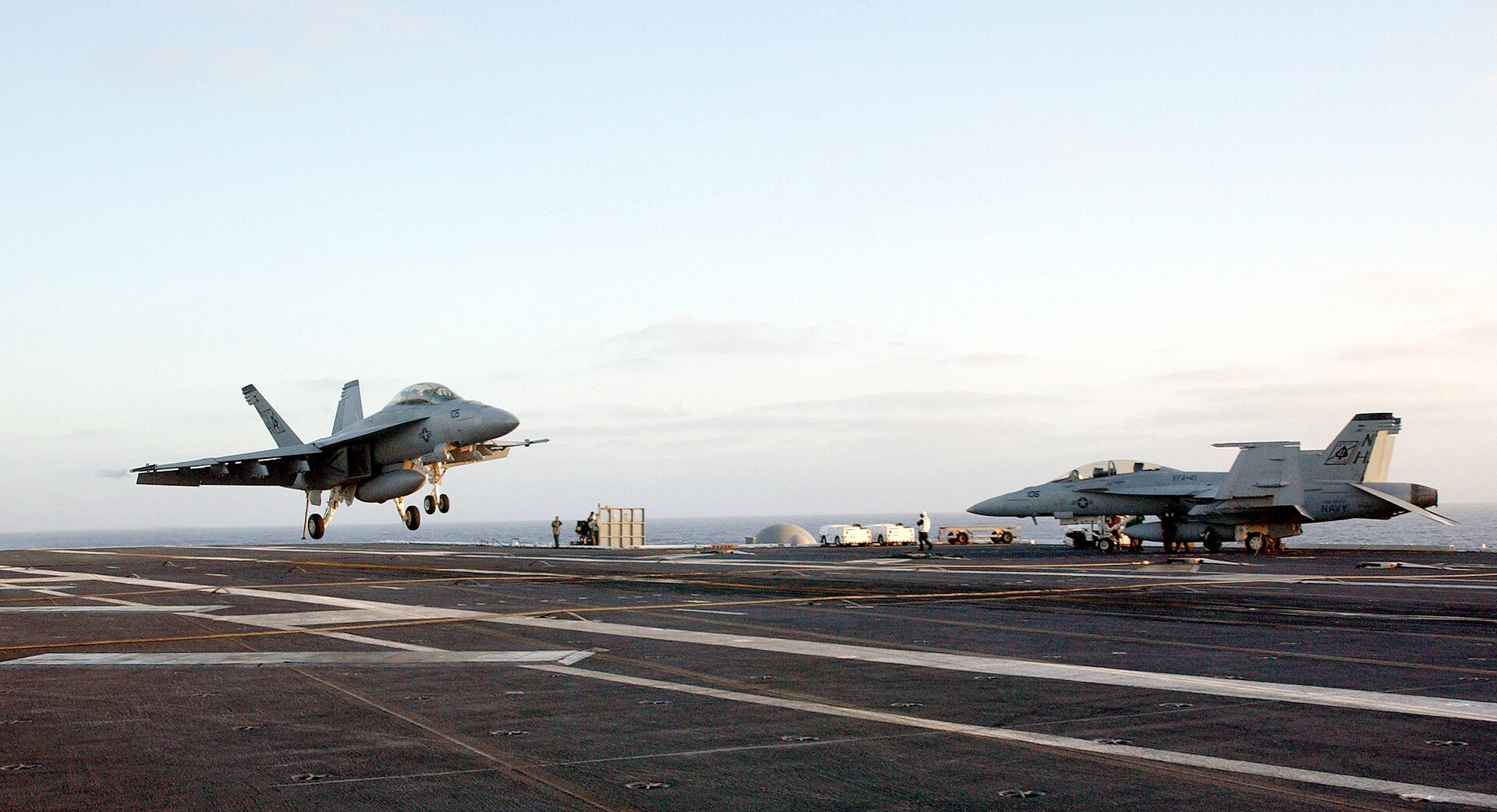
A Navy lieutenant went on 60 Minutes and said his squadron saw unidentified objects off Virginia Beach essentially every day. He is now the most durable witness in the file.
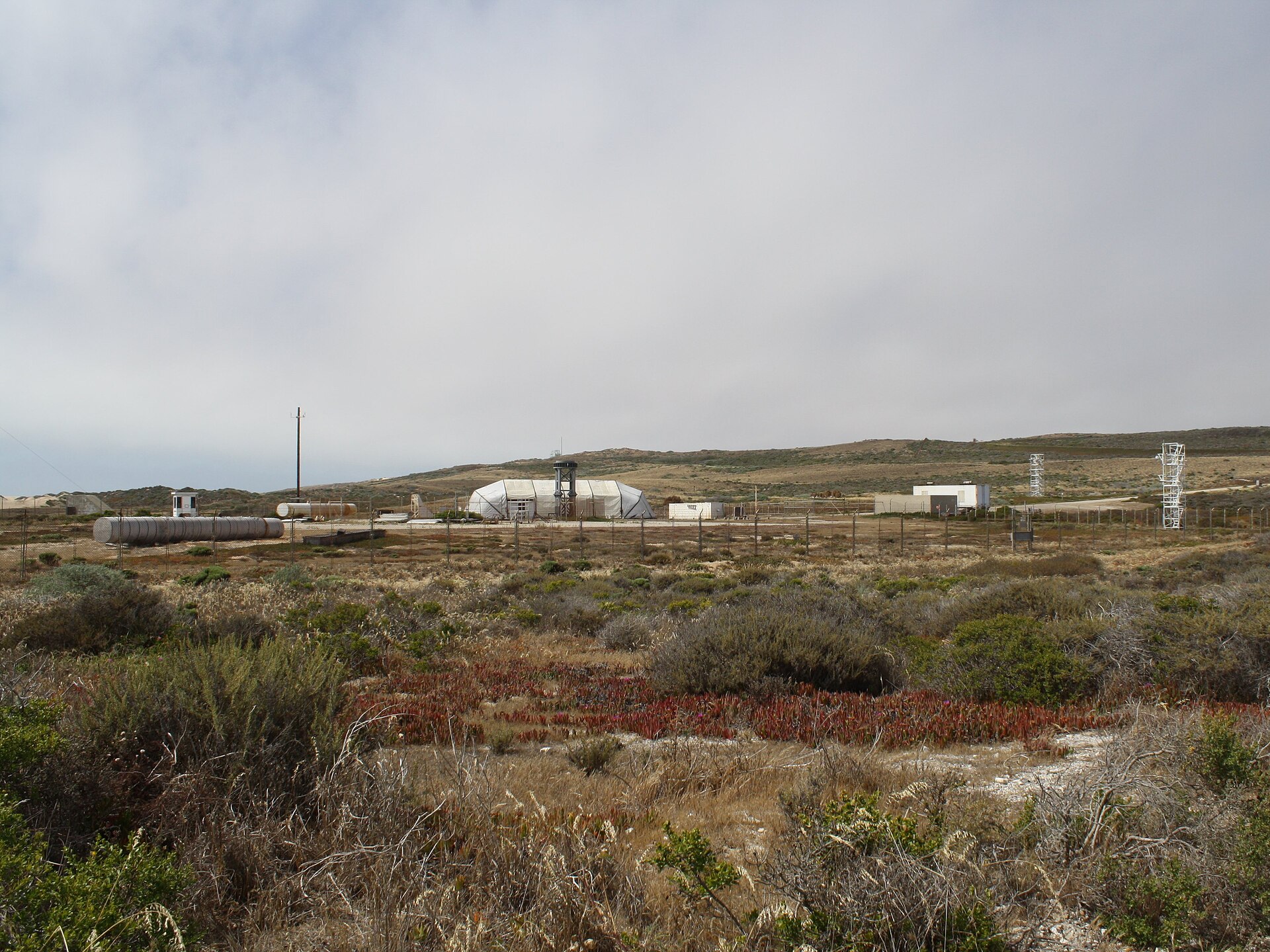
A House task force heard sworn accounts of a glowing red square over Vandenberg's missile defense sites — and watched footage of a Hellfire missile hitting an orb that kept going.
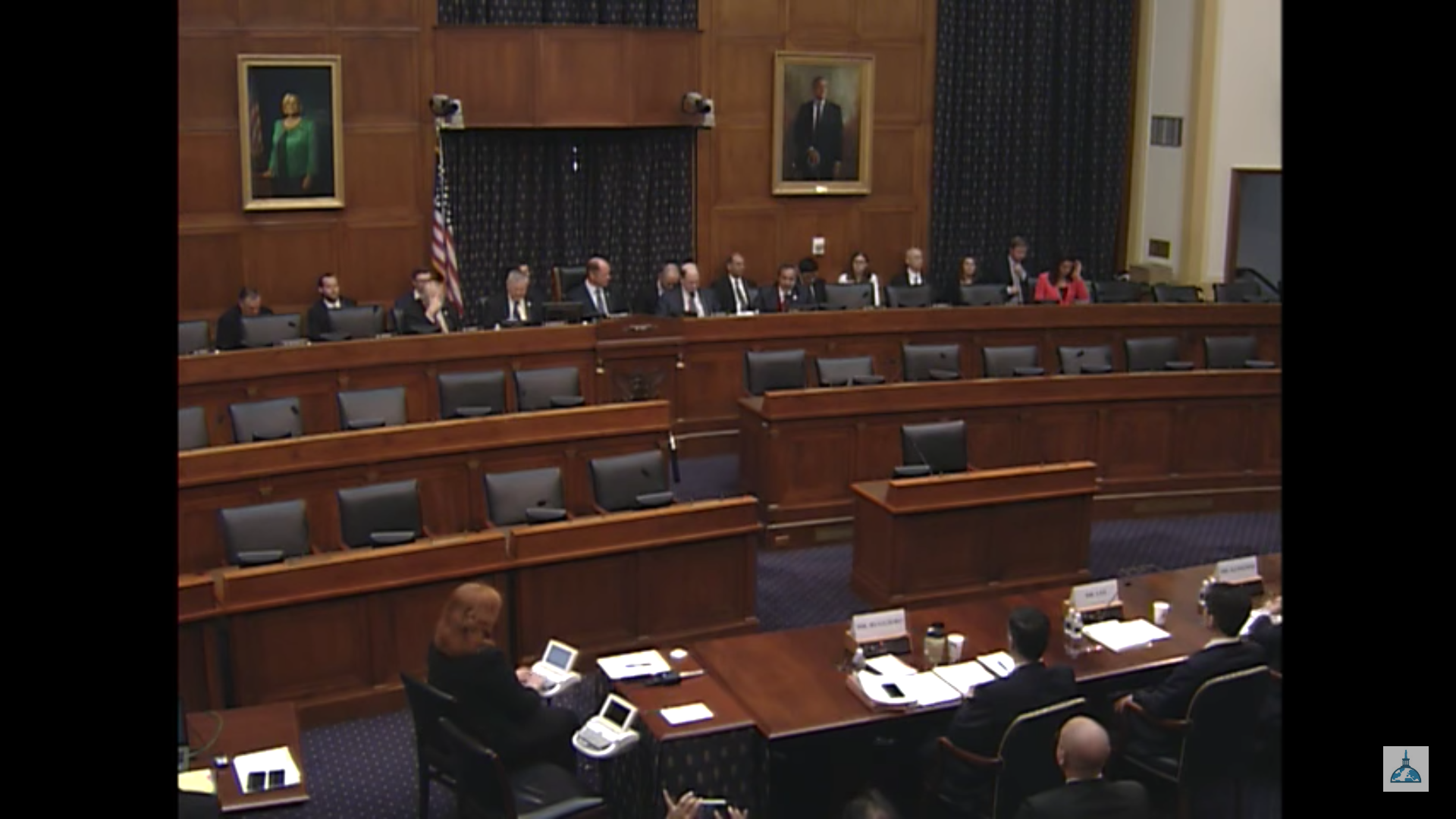
Four witnesses told a joint House subcommittee the government has hidden UAP information for decades. One of them arrived with the name of an alleged Pentagon photo archive.
Two Navy pilots described what they had seen. A former intelligence officer described what he had been told. The difference between those two things has defined everything since.
Schumer and Rounds proposed a records board with subpoena power and eminent domain over recovered materials. What survived into law was a filing requirement.
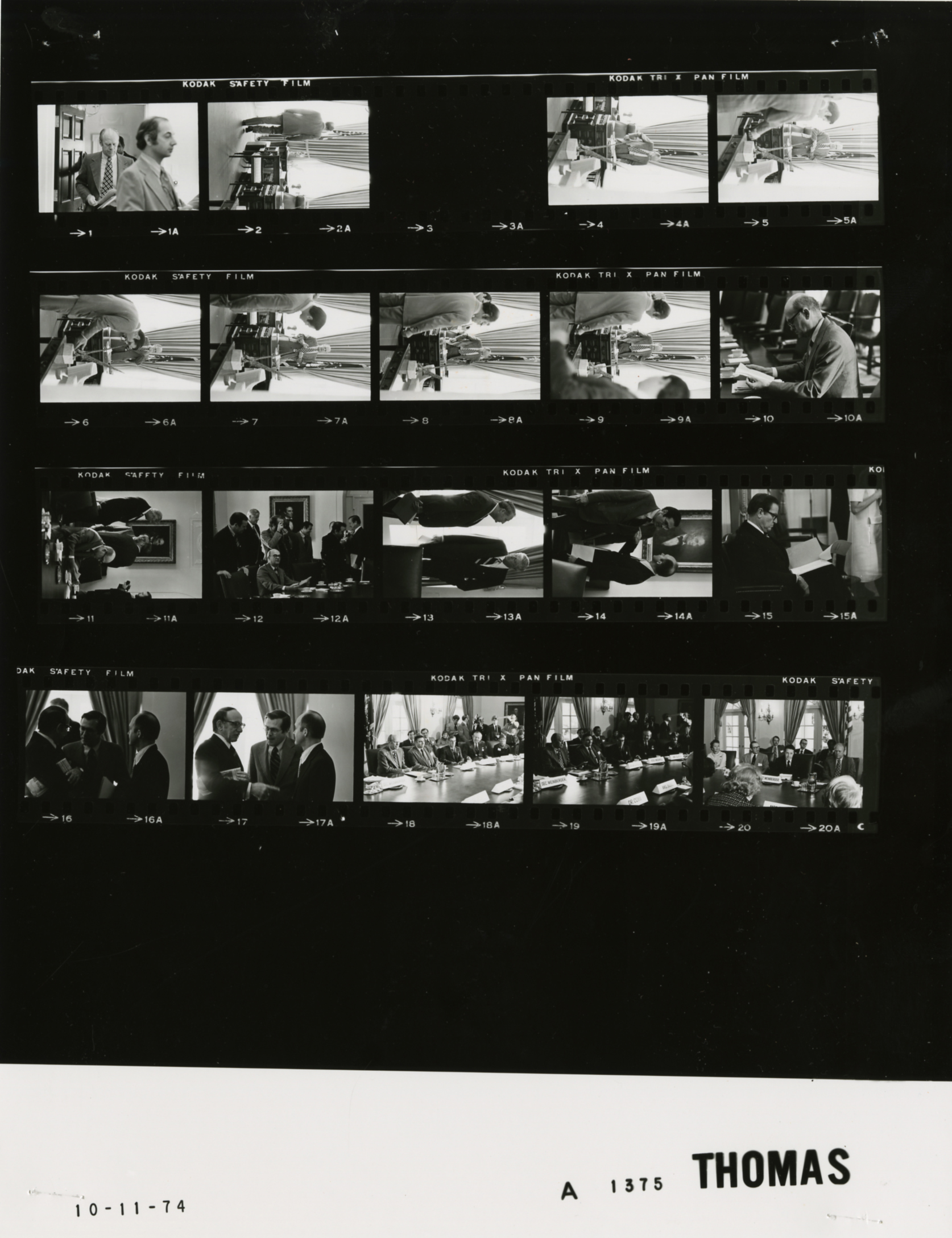
In May 2022 Congress held its first public UFO hearing since Project Blue Book closed. The most important number in the room was 400.
Copenhagen, Oslo, Munich, Brussels. Eighteen drones in three weeks, one NATO member invoking Article 4 — and a continent deciding very quickly that "unidentified" was a diplomatic word, not a technical one.
Thousands of people reported nightly drones over the most heavily monitored corridor in America. The federal government said most were lawful aircraft. Almost nobody on the ground believed it.
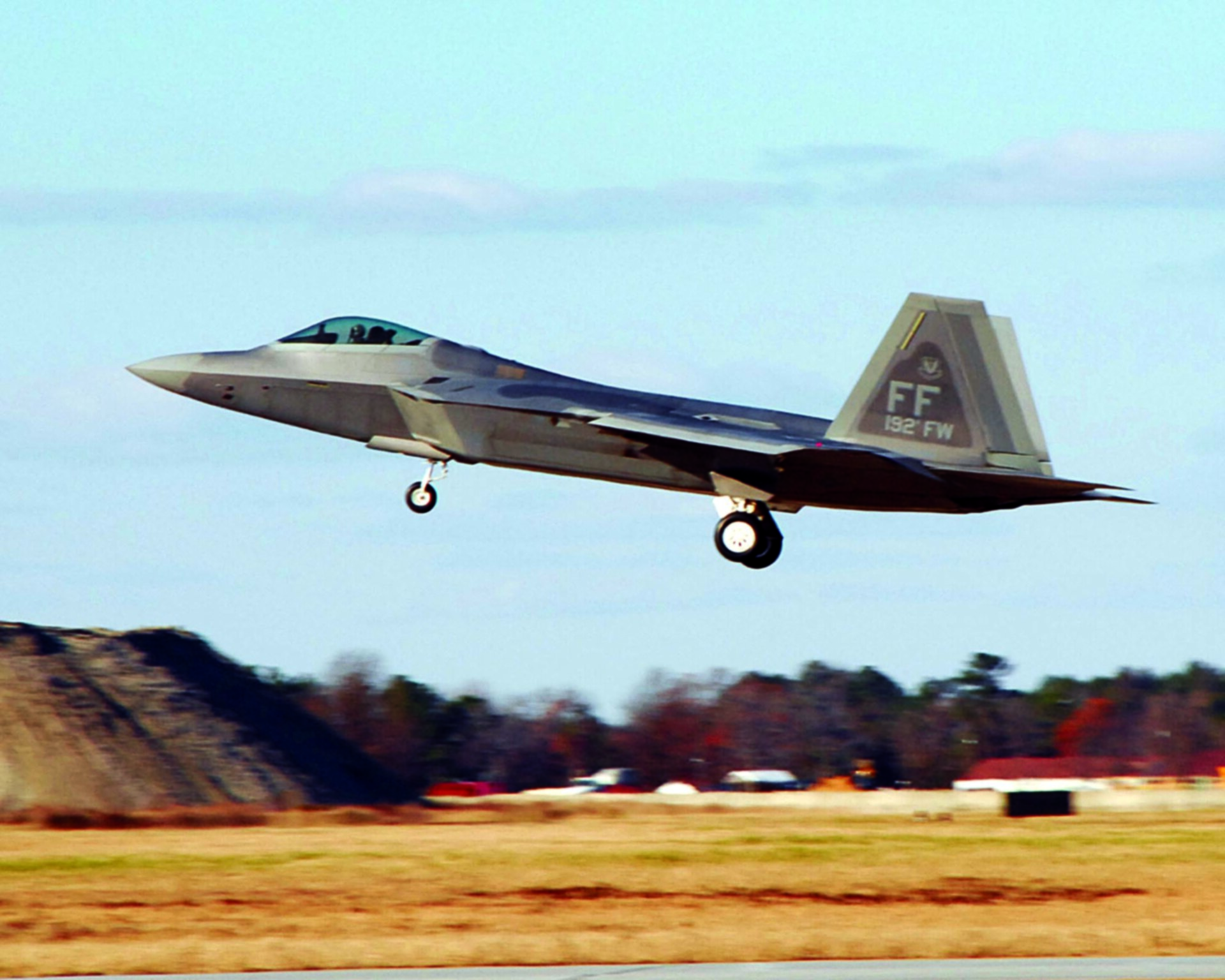
A swarm of drones flew over one of the Air Force's most important fighter bases every evening for more than two weeks. The Air Force moved its F-22s. Ten months later nobody would say who sent them.
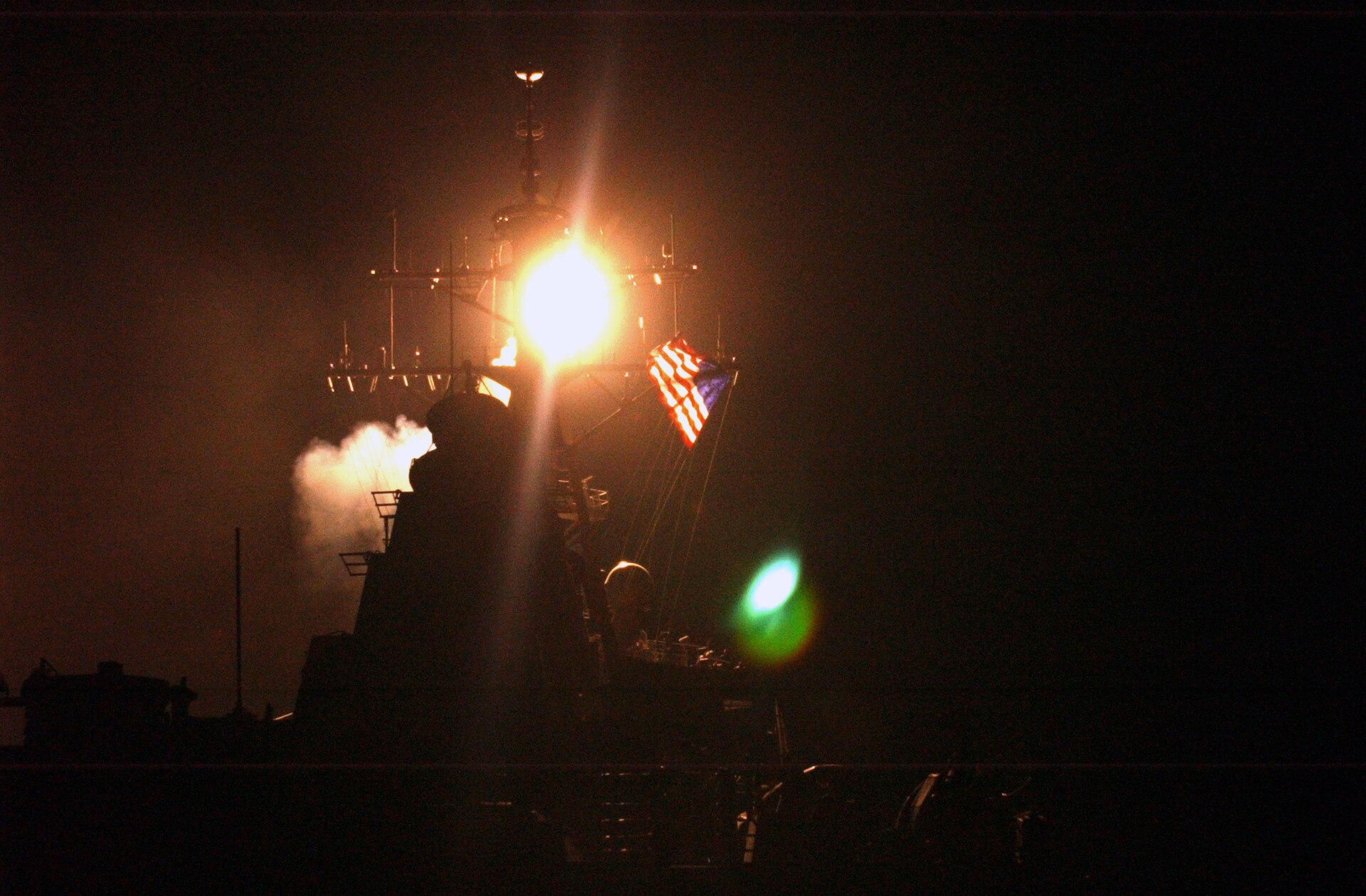
In 2019 unidentified drones shadowed U.S. warships off California for a week — matching course, hovering over flight decks, shining lights on the bridge. FOIA released the ship logs two years later.
Buried under the triangle story: U.S. government special agents are now filing their own UAP reports — one with thermal video of two slow-moving shapes reading black-hot against the sky.
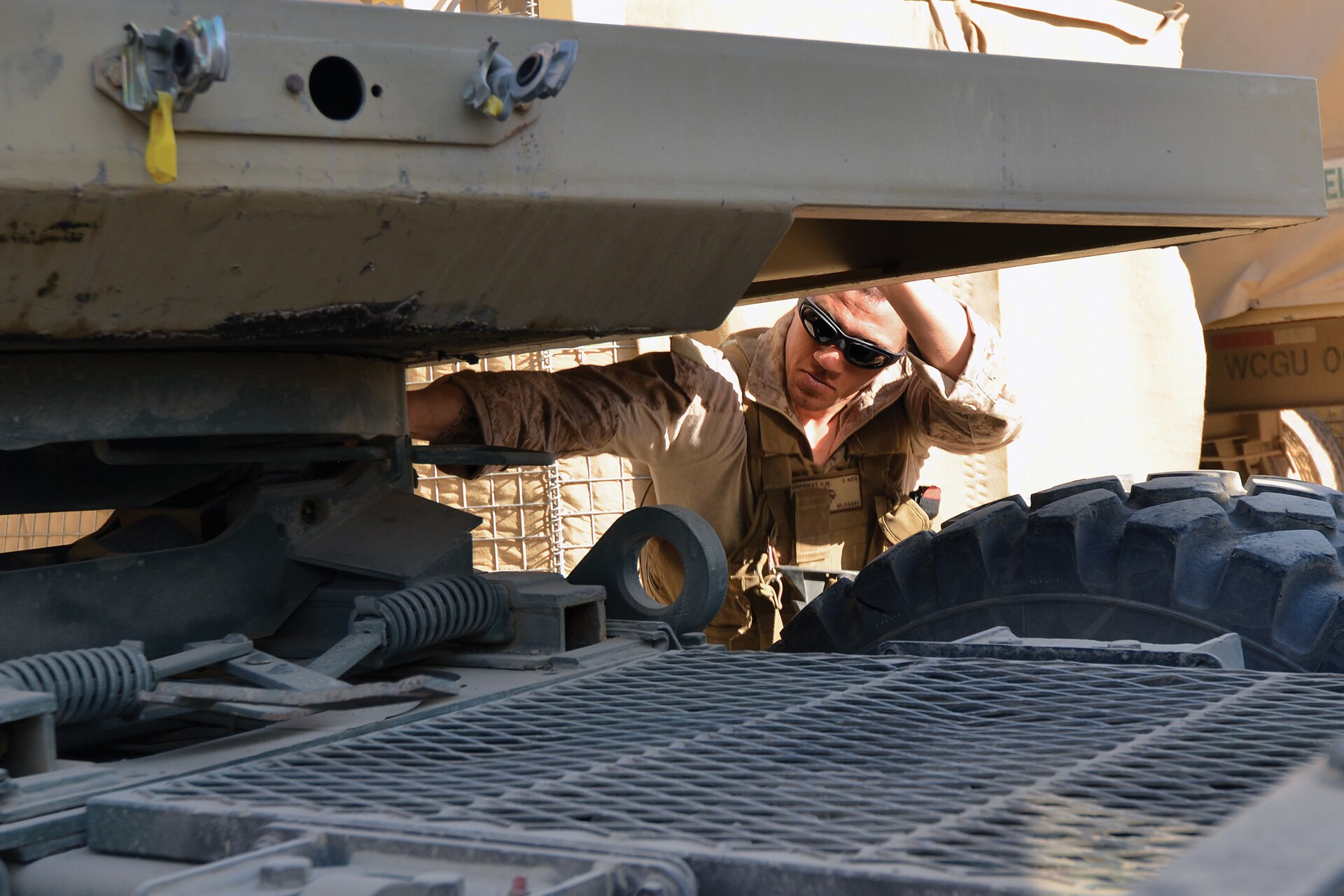
A thermal video from a U.S. base in Iraq showed a drifting, tendrilled shape. Then a Marine who was there offered a duller explanation, and the two accounts have never been reconciled.
UFO reports surged in 2020, and again in 2025. Both surges have prosaic explanations — which is exactly why the sighting statistics are worth understanding before anyone cites them.
The Pentagon's UAP office took three celebrated cases apart in front of a Senate subcommittee — including GoFast and the Aguadilla video. Not everyone accepted the reconstruction.
Sixteen scientists spent nine months on UAP and reported that the data is the obstacle. Then the agency declined to name its new research director, because of the threats.
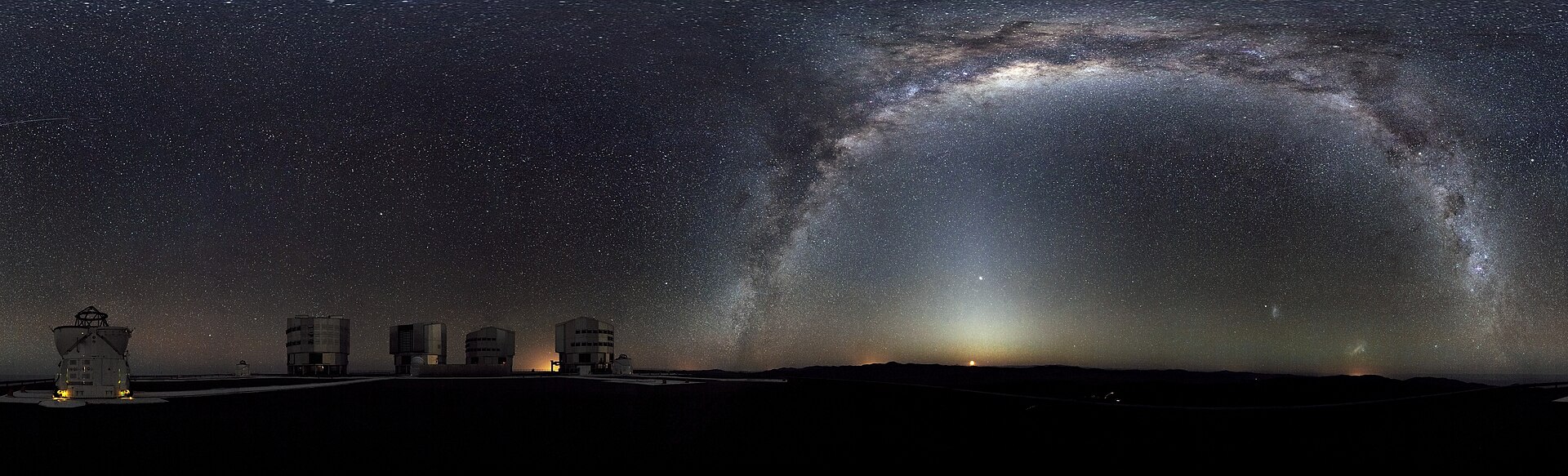
Astronomers at Ukraine's Main Astronomical Observatory pointed calibrated cameras at the sky during a war and published what they found. It is the most instrumented UAP dataset anyone has produced — and the hardest to interpret.

Avi Loeb's answer to unreliable UFO data was to stop arguing about other people's footage and collect his own. Five years on, the instruments work and the discoveries have not arrived.